
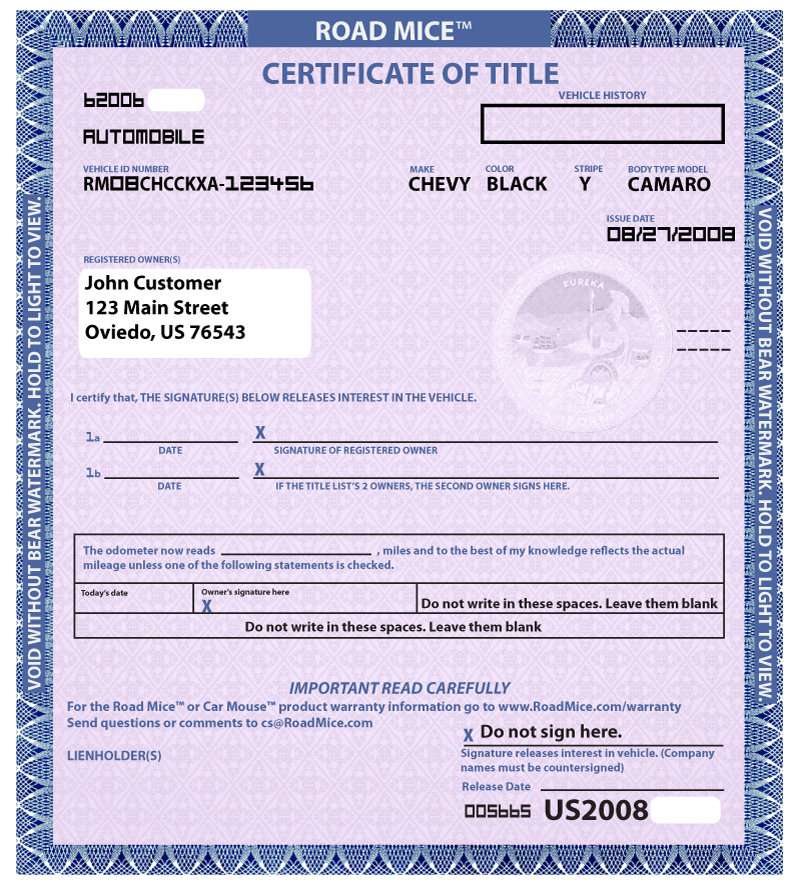

Filling Out a Car Title for Sale: Step-by-Step Instructions
Filling Out a Car Title for Sale. When it comes to selling a car, one of the most critical steps is properly filling out the car title. This document serves as proof of ownership and is essential for transferring the vehicle to the new owner. However, mistakes or omissions on the title can lead to delays, legal issues, or even invalidate the sale. In this comprehensive guide, we’ll walk you through everything you need to know about filling out a car title for sale, including step-by-step instructions, common pitfalls to avoid, and answers to frequently asked questions.

What is a Car Title for Sale?
A Car Title for Sale typically refers to selling a vehicle along with its title, which is the legal document proving ownership. When someone sells a car, they must transfer the title to the buyer.
Common Scenarios:
- Selling a Car with a Clean Title – The car has no outstanding loans or legal issues.
- Selling a Car with a Lien on the Title – If there’s an unpaid loan, the lien must be cleared before the title transfer.
- Selling a Salvage or Rebuilt Title Car – The car was previously declared a total loss but has been repaired and can be sold.
- Title Jumping (Illegal) – Selling a car without transferring the title to the seller first.
Why Filling Out a Car Title Correctly Matters
The car title is more than just a piece of paper—it’s a legal document that proves ownership of the vehicle. When selling a car, the title must be completed accurately to ensure a smooth transfer of ownership. Here’s why getting it right is so important:
1. Legal Compliance
Incorrectly filled-out titles can result in penalties or fines from the DMV. Each state has specific rules and requirements for completing car titles, such as recording the sale price, odometer reading, and signatures in designated areas. Failing to adhere to these guidelines can lead to:
- Rejection of the title transfer by the DMV.
- Delays in finalizing the sale.
- Potential legal consequences for both the buyer and seller.
For example, underreporting the sale price to avoid taxes may trigger an audit or penalties from state revenue authorities. Similarly, notarization errors in states that require it can invalidate the entire transaction.
2. Avoiding Disputes
Proper documentation protects both the buyer and seller from potential disputes over ownership. A correctly filled-out title ensures:
- The buyer becomes the legal owner of the vehicle.
- The seller is no longer responsible for any incidents involving the car after the sale (e.g., parking tickets, accidents, or traffic violations).
Without accurate completion of the title, disputes may arise, such as:
- The buyer is unable to register the vehicle due to incomplete paperwork.
- The seller remains liable for issues related to the car after the sale.
By following best practices, you can eliminate ambiguity and protect yourself legally.
3. Preventing Fraud
A well-completed title reduces the risk of fraudulent activity, such as someone else claiming ownership of your vehicle. Leaving blank spaces on the title, failing to sign it properly, or neglecting to report the sale to the DMV can create opportunities for fraudsters to exploit the document.
For instance:
- If the buyer’s section is left blank, another party could fraudulently complete it and claim ownership of the vehicle.
- If the seller doesn’t notify the DMV of the sale (as required in some states), they may remain legally tied to the vehicle even after the transaction is complete.
Taking the time to fill out the title correctly helps safeguard against these risks.
4. Ensuring a Smooth Transfer Process
A properly completed car title streamlines the transfer process for both parties:
- For Sellers: It allows you to finalize the sale quickly and move on without lingering liabilities.
- For Buyers: It ensures they can register the vehicle and obtain insurance without delays or complications.
In contrast, mistakes or omissions can lead to frustration, additional costs, and wasted time for everyone involved.
5. Maintaining Resale Value
Even if you’re not selling the car immediately, keeping the title in good condition and up-to-date preserves its value. For example:
- A clean, error-free title increases the vehicle’s appeal to future buyers.
- A title with discrepancies or unresolved liens can significantly reduce the resale price or deter potential buyers altogether.
6. Building Trust with Buyers
When selling a car privately, trust is key. A professionally handled title demonstrates transparency and reliability, making buyers more confident in proceeding with the purchase. This can lead to faster sales and better offers.
7. Avoiding Financial Loss
Mistakes on the car title can result in financial losses for both parties:
- Sellers may face fines or penalties for noncompliance.
- Buyers may incur additional fees to correct errors or resolve disputes.
By taking the time to complete the title correctly, you save money and avoid unnecessary headaches down the road.
8. Complying with State-Specific Rules
Every state has unique regulations regarding car titles. For example:
- Some states require notarization, while others do not.
- Certain states mandate reporting the sale to the DMV within a specific timeframe.
- Others have strict rules about odometer disclosures or lien releases.
Understanding and adhering to these rules ensures compliance and prevents complications during the transfer process.
9. Protecting Against Future Liability
Once the title is transferred, the seller is no longer responsible for the vehicle. However, if the title is not completed correctly, the seller may still be listed as the registered owner. This can lead to:
- Liability for parking tickets, toll violations, or accidents involving the vehicle.
- Difficulty proving the sale took place if disputes arose.
Properly filling out the title ensures a clean break between the seller and the vehicle.


Why Accuracy Matters
Filling out a car title correctly is not just a formality—it’s a critical step in protecting yourself, ensuring compliance, and facilitating a smooth transaction. By understanding the importance of this process and following best practices, you can avoid costly mistakes, prevent fraud, and ensure that the sale proceeds without issues.
If you’re unsure about how to handle your car title—whether you need to replace a lost title, clear a lien, or navigate state-specific requirements—trust services like LegitVendor to guide you through the process. Our expert team ensures your car title is handled accurately, securely, and efficiently.
Step-by-Step Guide to Filling Out a Car Title for Sale
Filling out a car title may seem straightforward, but there are several key steps to follow to ensure accuracy. Below is a detailed breakdown of the process:
1. Verify Ownership
Before you begin, confirm that your name is listed as the registered owner on the car title. If the title is not in your name (e.g., if it’s still under a previous owner or a lienholder), you’ll need to resolve this issue before proceeding. Common scenarios include:
- Obtaining a duplicate title if the original is lost.
- Clearing any outstanding liens and obtaining a lien release.
- Updating the title if there are discrepancies in the owner’s name or address.
Pro Tip: Services like LegitVendor can help you quickly replace a lost or damaged title, ensuring you have the correct documentation before starting the sale process.
2. Sign the Title
Signing the title is one of the most important steps in the transfer process. Here’s how to do it correctly:
- Locate the Signature Section: Most titles have a designated area on the back where the seller must sign. Double-check the instructions to avoid signing in the wrong place.
- Use Ink or Digital Signature: Some states require wet signatures (pen and paper), while others accept digital signatures for online transactions.
- Notarization Requirements: In certain states (e.g., Louisiana, Maryland, Nebraska, and others), the title must be notarized. This involves having a notary public witness your signature and stamp the document to verify its authenticity. Be sure to check your state’s requirements before signing.
Important Note: Never leave the buyer’s section blank—this could allow someone else to fraudulently complete the title in their name.
3. Record Sale Details
Accurately documenting the sale details ensures compliance with state regulations and helps prevent disputes. Here’s what to include:
- Sale Price: Write the agreed-upon price of the vehicle. Some states use this figure to calculate sales tax, so honesty is essential.
- Odometer Reading: Record the current mileage at the time of sale. This is often required by law to prevent odometer fraud.
- Date of Sale: Include the exact date when the transaction took place. This information may be needed for registration or tax purposes.
Tip: Use legible handwriting and avoid white-out or corrections. Errors can invalidate the title, requiring you to request a replacement.
4. Provide Supporting Documents
In addition to the signed title, some transactions require additional documentation:
- Bill of Sale: A bill of sale serves as proof of the transaction and includes details like the sale price, vehicle description, and contact information for both parties. It’s especially useful in private sales or when selling a car without a title.
- Lien Release: If there was a loan on the vehicle, provide proof that the lien has been cleared. This document is typically issued by the lender once the loan is paid off.
- Power of Attorney (if applicable): If someone else is handling the sale on your behalf, ensure they have a valid power of attorney form.
Check your state’s DMV website for a full list of required documents to avoid missing anything.
5. Submit the Completed Title
Once the title is filled out, it’s time to hand it over to the buyer. Here’s what happens next:
- The buyer submits the signed title to the DMV to finalize the transfer.
- They pay applicable taxes and registration fees to complete the process.
As the seller, it’s your responsibility to report the sale to the DMV in some states (e.g., California). Failure to do so can result in penalties or liability for future incidents involving the vehicle.

Common Mistakes to Avoid When Filling Out a Car Title
Even small errors on a car title can cause significant problems, leading to delays, fines, or even invalidating the sale. To ensure a smooth and compliant transaction, it’s crucial to avoid these common mistakes. Here’s what to watch out for:
1. Incorrect Signatures
- Signing in the Wrong Spot: Many titles have specific sections for signatures, such as “Seller’s Signature” or “Buyer’s Acknowledgment.” Signing in the wrong area can render the document invalid.
- Failing to Notarize When Required: Some states (e.g., Louisiana, Maryland, Nebraska) require notarization of the seller’s signature. Skipping this step can result in rejection by the DMV.
Solution: Double-check the instructions on the title and confirm your state’s requirements before signing. If notarization is needed, consult a licensed notary public.
2. Missing Information
- Leaving fields blank, such as:
- Odometer Reading: Failing to record the mileage can lead to accusations of odometer fraud and rejection of the title transfer.
- Sale Price: Some states use the sale price to calculate sales tax. Leaving this field blank or entering incorrect information can trigger audits or penalties.
- Date of Sale: Omitting the sale date may delay registration or create confusion about when the transaction occurred.
Solution: Carefully review the title form and ensure all required fields are completed accurately. If you’re unsure which fields are mandatory, consult your local DMV guidelines.
3. Illegible Handwriting
Sloppy or unclear writing can lead to misinterpretation by the DMV or buyer. For example:
- Numbers that look like other digits (e.g., “7” vs. “1”).
- Names or addresses that are difficult to read.
Solution: Use neat, legible handwriting. If possible, print clearly or consider using digital tools if your state allows electronic signatures.
4. Underreporting the Sale Price
Attempting to reduce taxes by reporting a lower sale price than the actual amount can have serious consequences:
- Audits: State revenue authorities may investigate discrepancies between reported prices and market values.
- Penalties: You could face fines or legal action for falsifying documents.
- Insurance Issues: Underreporting the sale price may also affect the buyer’s ability to insure the vehicle at its true value.
Solution: Always report the accurate sale price. Honesty ensures compliance and avoids potential legal trouble.
5. Using White-Out
Mistakes happen, but correcting them improperly can invalidate the title. Using white-out or crossing out errors is unacceptable because:
- It raises suspicions of tampering.
- Most DMVs reject altered documents.
Solution: If you make a mistake, request a replacement title from the DMV or use a service like LegitVendor to obtain a duplicate quickly and easily.
6. Ignoring State-Specific Requirements
Each state has unique rules for completing car titles. Common oversights include:
- Not Reporting the Sale: In states like California, sellers must notify the DMV within five days of the sale. Failure to do so can result in penalties.
- Skipping Smog Certifications: Some states, such as California, require smog inspections before transferring a title.
- Failing to Disclose Liens: If there’s an outstanding loan on the vehicle, the lien must be cleared, and proof of release must accompany the title.
Solution: Research your state’s specific requirements or consult a professional service to ensure full compliance.
7. Overlooking Supporting Documents
In addition to the signed title, some transactions require additional paperwork, such as:
- Bill of Sale: A bill of sale provides detailed information about the transaction and serves as supporting documentation.
- Lien Release: If the vehicle had a loan, the lender must provide a lien release document to prove the debt is paid.
- Power of Attorney: If someone else is handling the sale on your behalf, they need proper authorization.
Solution: Gather all necessary documents before finalizing the sale to avoid last-minute complications.
8. Delaying the Process
Procrastinating on submitting the completed title or failing to report the sale promptly can lead to:
- Late fees or penalties.
- Liability for incidents involving the vehicle after the sale.
Solution: Complete and submit all paperwork as soon as possible after the sale to protect yourself legally.
9. Assuming the Buyer Will Handle Everything
While buyers are responsible for registering the vehicle in their name, sellers still play a critical role in ensuring the title is accurate and properly transferred. Miscommunication or incomplete documentation can leave the seller liable for future issues.
Solution: Collaborate with the buyer to confirm all steps are completed correctly. Provide clear instructions and copies of relevant documents for their reference.
How to Avoid These Mistakes
By double-checking your work and following the steps outlined below, you can avoid costly errors and ensure a seamless car title transfer process:
- Review Instructions: Carefully read the title form and any accompanying guidelines provided by your state’s DMV.
- Verify Accuracy: Cross-check all information, including names, addresses, odometer readings, and sale prices.
- Use Legible Writing: Print neatly or type information if allowed.
- Avoid Corrections: If you make a mistake, request a replacement title instead of attempting to fix it manually.
- Gather Supporting Documents: Ensure you have all necessary forms, such as a bill of sale or lien release, before finalizing the transaction.
- Seek Professional Help: If you’re unsure about any aspect of the process, services like LegitVendor can guide you through filling out and transferring the title accurately.
Protect Yourself by Avoiding Common Pitfalls
Filling out a car title correctly is essential for a successful sale. By avoiding these common mistakes—such as incorrect signatures, missing information, or underreporting the sale price—you can prevent delays, disputes, and legal issues. Taking the time to complete the title accurately benefits both the buyer and seller, ensuring a smooth and stress-free transaction.
If you encounter challenges during the process, such as replacing a lost title or resolving lien issues, trusted services like LegitVendor are here to help. With expert guidance and nationwide coverage, we make it easy to handle all your car title needs.
👉 Click here to learn more about resolving title-related challenges and securing a seamless car sale experience!
State-Specific Requirements for Filling Out a Car Title
Car title laws vary by state, so it’s important to familiarize yourself with the rules in your area. Below are examples of state-specific considerations:
Florida Car Title Sale
- Recording the Sale Price: The agreed-upon sale price must be written on the title itself. This figure is used to calculate sales tax owed by the buyer.
- Bill of Sale Requirement: While not always mandatory, a bill of sale may be requested by the DMV for certain transactions.
California Car Title Sale
- Seller Reporting Requirement: Sellers must notify the DMV of the sale within five calendar days using a Notice of Transfer and Release of Liability (REG 138) form.
- Smog Certification: Most vehicles require a smog inspection certificate before the title can be transferred.
Illinois Car Title Sale
- Odometer Disclosure: Illinois law requires sellers to record the odometer reading on the title at the time of sale.
- Sales Tax Payment: Buyers are responsible for paying sales tax directly to the DMV when registering the vehicle.
FAQs About Filling Out a Car Title for Sale
Q: Can I sell a car without a title?
A: While it’s possible in some cases, selling a car without a title is not ideal. Options include obtaining a bonded title or using a bill of sale. However, many buyers prefer vehicles with clear titles to avoid complications.
Q: What do I do if I have lost my car title?
A: You can request a duplicate title through your local DMV or online services like LegitVendor. Once you have a replacement title, you can proceed with the sale.
Q: Do I need to notarize my car title?
A: Notarization requirements vary by state. Check your state’s DMV website or consult a professional service to determine whether notarization is necessary.
Q: What happens if I make a mistake on the title?
A: Mistakes on a car title can invalidate the document. If an error occurs, request a replacement title from the DMV before proceeding with the sale.
Mastering the Art of Filling Out a Car Title for Sale
Properly filling out a car title is a crucial step in the vehicle sales process. By verifying ownership, signing the title correctly, recording sale details, and providing supporting documents, you can ensure a smooth and compliant transaction. Additionally, understanding state-specific requirements and avoiding common mistakes will save you time, money, and stress.
If you encounter challenges during the process, such as replacing a lost title or resolving lien issues, trusted services like LegitVendor are here to help. With expert guidance and nationwide coverage, we make it easy to handle all your car title needs.
👉 Click here to learn more about our services and ensure your car title is handled accurately and efficiently!