Tag Archives: Hidden issues with used car titles

Hidden Issues with Used Car Titles: Decoding the Risks and Protecting Your Investment

Buying a used car can be a smart financial decision, offering a more affordable alternative to purchasing a brand-new vehicle. However, the allure of a lower price tag can sometimes overshadow the importance of a thorough investigation into the car’s history, and particularly, its title. While the exterior might gleam and the engine purr, a hidden issue lurking within the title can transform your dream car into a costly nightmare.

The title is more than just a piece of paper; it’s the legal document that proves ownership and reveals crucial information about the car’s past. Ignoring the potential for title issues can lead to a host of problems, from difficulty registering the vehicle to facing hefty repair bills due to undisclosed damage. This comprehensive guide will delve into the hidden issues that can plague used car titles, equip you with the knowledge to identify potential red flags, and empower you to protect your investment.

Why Title Issues Matter: A Case Study in Regret

Imagine this: You’ve found the perfect used car online, a sleek sedan with low mileage and a seemingly clean history. You negotiate a great price, sign the paperwork, and proudly drive it home. But your joy is short-lived. When you attempt to register the car at the DMV, your application is rejected. The title is flagged as “Salvage” due to a previous accident, an accident the seller conveniently omitted. Now you’re stuck with a vehicle you can’t legally drive, facing costly repairs to get it roadworthy, and potentially battling the seller in court.

This scenario, unfortunately, is not uncommon. Title issues can emerge in various forms, each with its own set of complications and financial implications. Understanding these potential problems is the first step toward avoiding them.

Unveiling the Usual Suspects: Common Title Issues Explained

Let’s explore the most common types of title issues that plague the used car market:

1. Salvage Titles: A Vehicle Back from the Brink

A salvage title is issued to a vehicle that has been declared a total loss by an insurance company due to an accident, flood, fire, or other significant damage. This usually happens when the cost of repairing the vehicle exceeds a certain percentage of its pre-damage value, typically 75-90%.

  • The Risks:
    • Undisclosed Damage: While the vehicle might appear repaired, underlying structural damage can remain, compromising safety and performance.
    • Reduced Value: Salvage title vehicles are worth significantly less than comparable vehicles with clean titles.
    • Insurance Difficulties: Obtaining comprehensive or collision insurance might be challenging or prohibitively expensive.
    • Registration Restrictions: Some states have stricter registration requirements for salvage vehicles, potentially requiring additional inspections.
    • Safety Concerns: Shoddy repairs can lead to mechanical failures and safety hazards, putting you and your passengers at risk.
  • Red Flags:
    • Price Significantly Lower Than Market Value: A suspiciously low price is often a telltale sign.
    • “As-Is” Sales: Sellers are often hesitant to offer warranties on salvage vehicles.
    • Unwillingness to Provide Vehicle History Report: Sellers might try to conceal the vehicle’s history.
    • Poor Repair Quality: Look for mismatched paint, uneven panels, and other signs of subpar repairs.
    • Musty Odor or Water Stains: Indicates potential flood damage.

2. Rebuilt Titles: A Second Chance with Caution

A rebuilt title is issued to a vehicle that was previously declared salvage and has been repaired and inspected to meet state safety standards. While a rebuilt title signifies that the vehicle has passed inspection, it doesn’t guarantee its long-term reliability.

  • The Risks:
    • Potential for Hidden Damage: Even with inspection, underlying structural or mechanical issues can surface later.
    • Lower Resale Value: Rebuilt title vehicles are still worth less than comparable vehicles with clean titles, although more than salvage titles.
    • Insurance Challenges: Similar to salvage titles, insurance companies may be hesitant to provide full coverage.
    • Inspection Requirements: States may require periodic inspections to ensure continued roadworthiness.
  • Red Flags:
    • Lack of Repair Documentation: Request detailed documentation of the repairs performed, including receipts and inspection reports.
    • Questionable Repair Quality: Examine the vehicle carefully for signs of poor craftsmanship.
    • Unwillingness to Offer a Warranty: A reputable dealer should be willing to stand behind the repairs.

3. Flood Titles: Submerged History, Submerged Risks

A flood title indicates that the vehicle has been submerged in water to a degree that could cause significant damage. Even if the vehicle appears to be in good condition, water damage can lead to corrosion, electrical problems, and mold growth.

  • The Risks:
    • Electrical Issues: Corrosion can damage wiring and electrical components, leading to intermittent malfunctions and potential safety hazards.
    • Mechanical Problems: Water can contaminate engine oil and other fluids, causing premature wear and failure.
    • Mold and Mildew: Mold can grow in the interior, causing respiratory problems and unpleasant odors.
    • Rust and Corrosion: Water can accelerate rust and corrosion, weakening the vehicle’s structure.
    • Reduced Reliability: Flood-damaged vehicles are generally less reliable than vehicles that haven’t been flooded.
  • Red Flags:
    • Musty Odor: A distinct musty odor in the interior is a major red flag.
    • Water Stains: Look for water stains on the carpets, upholstery, and headliner.
    • Rust and Corrosion: Check for rust and corrosion in the engine compartment, undercarriage, and interior.
    • Dirty or Muddy Areas: Look for mud or silt in hard-to-reach areas.
    • Electrical Malfunctions: Test all electrical components, including lights, windows, and radio.

4. Odometer Fraud: Rolling Back the Miles

Odometer fraud occurs when someone alters the odometer reading to make a vehicle appear to have lower mileage than it does. This deceptive practice can significantly inflate the vehicle’s value and mislead potential buyers.

  • The Risks:
    • Overpaying for the Vehicle: You’ll be paying more than the vehicle is worth based on its true mileage.
    • Increased Maintenance Costs: Vehicles with higher mileage are more likely to require repairs and maintenance.
    • Premature Failure: Components may fail sooner than expected due to the vehicle’s actual wear and tear.
  • Red Flags:
    • Inconsistencies in Vehicle History Report: Compare the odometer readings in the vehicle history report.
    • Wear and Tear Inconsistent with Mileage: Examine the seats, steering wheel, pedals, and tires for excessive wear.
    • Tampered Odometer: Look for signs that the odometer has been tampered with, such as scratches or loose screws.
    • Suspiciously Low Price for the Year and Model: A price that seems too good to be true might indicate odometer fraud.

5. Lien Issues: Unpaid Debts Attached to the Car

A lien is a legal claim against a vehicle, typically held by a lender as security for a loan. If the previous owner hasn’t paid off the loan, the lien remains attached to the vehicle, even after it’s sold.

  • The Risks:
    • Repossession: The lender can repossess the vehicle if the previous owner defaults on the loan.
    • Legal Disputes: You could become embroiled in legal disputes with the lender.
    • Financial Loss: You could lose the vehicle and the money you paid for it.
  • Red Flags:
    • Title Not in Seller’s Name: This is a major red flag that someone else may have a claim to the vehicle.
    • Seller Unable to Provide Lien Release: The seller should be able to provide a lien release from the lender, proving that the loan has been paid off.
    • Title Lists a Lienholder: The title may list a lienholder, indicating that a loan is still outstanding.

6. Grey Market Vehicles: Illegally Imported and Potentially Unsafe

Grey market vehicles are vehicles that were not originally manufactured to meet U.S. safety and emissions standards and were imported without proper modifications and documentation.

  • The Risks:
    • Safety Concerns: Grey market vehicles may not meet U.S. safety standards, potentially making them less safe in an accident.
    • Emissions Issues: They may not meet U.S. emissions standards, potentially leading to fines and registration problems.
    • Difficulty Obtaining Parts and Service: Parts and service may be difficult to obtain due to the vehicle’s non-standard configuration.
    • Lower Resale Value: Grey market vehicles typically have a lower resale value than U.S.-spec vehicles.
    • Legal Issues: Importing and registering a grey market vehicle can be complex and may involve legal risks.
  • Red Flags:
    • Non-Standard Features: Look for features that are not typically found on U.S.-spec vehicles.
    • Metric Gauges: The speedometer and odometer may be in kilometers per hour instead of miles per hour.
    • Missing Safety Labels: Safety labels may be missing or in a foreign language.
    • Unusual Vehicle Identification Number (VIN): The VIN may not conform to U.S. standards.

7. Clone Vehicles: A Stolen Identity and a High-Risk Gamble

A clone vehicle is a vehicle that has been illegally assigned the Vehicle Identification Number (VIN) from another, legitimate vehicle. This is often done to disguise stolen vehicles or to sell salvaged or rebuilt vehicles as clean title vehicles.

  • The Risks:
    • Vehicle Confiscation: If the vehicle is identified as a clone, it will be confiscated by law enforcement.
    • Legal Penalties: You could face legal penalties for possessing a stolen vehicle.
    • Financial Loss: You will lose the vehicle and the money you paid for it.
  • Red Flags:
    • VIN Plate Tampering: Look for signs that the VIN plate has been tampered with, such as scratches or loose rivets.
    • Inconsistencies in Vehicle History Report: Compare the VIN on the vehicle to the VIN in the vehicle history report.
    • Mismatching VINs: Check for VINs in different locations on the vehicle and compare them.
    • Suspicious Seller: Be wary of sellers who are evasive or pressure you to buy the vehicle quickly.

Proactive Protection: Your Toolkit for Title Investigation

Now that you’re aware of the potential dangers, let’s equip you with the tools and strategies to protect yourself:

1. Obtain a Vehicle History Report:

Companies like Carfax and AutoCheck compile vehicle history reports from various sources, including DMV records, insurance companies, and repair shops. These reports can reveal:

  • Title History: Check for salvage, flood, or rebuilt titles.
  • Accident History: Review reported accidents and damage.
  • Odometer Readings: Verify odometer consistency.
  • Lien Information: Identify any outstanding liens.
  • Number of Owners: Track the vehicle’s ownership history.

While a vehicle history report is a valuable tool, it’s not foolproof. It may not reflect all accidents or damage, especially if they weren’t reported to insurance companies or DMVs.

2. Conduct a Thorough Visual Inspection:

Don’t rely solely on the vehicle history report. Conduct a thorough visual inspection, both inside and outside the car, paying close attention to potential red flags mentioned earlier.

  • Inspect the Paint: Look for mismatched paint, uneven panels, and other signs of repairs.
  • Check for Rust and Corrosion: Examine the engine compartment, undercarriage, and interior for rust and corrosion.
  • Smell for Unusual Odors: Be alert for musty odors or the smell of mildew.
  • Test All Electrical Components: Ensure that all lights, windows, and other electrical components are functioning properly.
  • Examine the Tires: Check the tire tread depth and look for signs of uneven wear.

3. Have the Vehicle Inspected by a Qualified Mechanic:

A pre-purchase inspection by a trusted mechanic is an invaluable investment. A mechanic can identify potential mechanical problems that may not be visible to the untrained eye. They can also assess the quality of any previous repairs.

4. Verify the Title Information:

Carefully examine the title document for any discrepancies or red flags.

  • Ensure the Seller’s Name Matches the Title: The name on the title should match the seller’s identification.
  • Check for Alterations or Erasures: Look for any signs that the title has been altered or erased.
  • Verify the VIN: Compare the VIN on the title to the VIN on the vehicle.
  • Look for Lienholder Information: Check for any liens listed on the title.

5. Research Lemon Laws and Consumer Protections:

Familiarize yourself with your state’s lemon laws and other consumer protection laws. These laws may provide recourse if you purchase a vehicle with significant defects.

6. Consider a Professional Title Search:

For added peace of mind, you can hire a professional title search company to conduct a more thorough investigation of the vehicle’s title history.

Navigating the Purchase: Smart Strategies for a Smoother Transaction

Once you’ve investigated the title and the vehicle, consider these strategies to ensure a smoother and safer transaction:

  • Negotiate the Price: Use any title issues or mechanical problems you uncover as leverage to negotiate a lower price.
  • Obtain a Written Warranty: If possible, obtain a written warranty from the seller. This can protect against unexpected repairs.
  • Pay with a Secure Method: Avoid paying with cash. Use a cashier’s check or a credit card, which offers some protection against fraud.
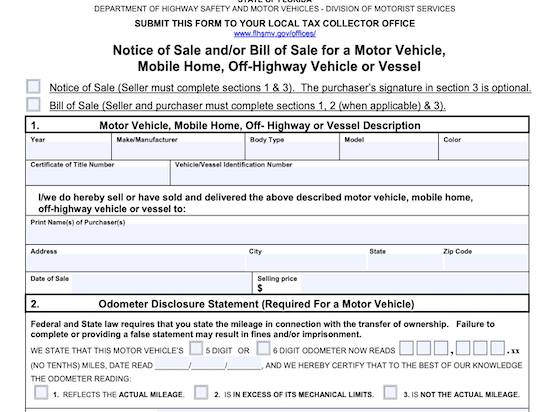
  • Obtain a Bill of Sale: A bill of sale documents the transaction and includes important information, such as the purchase price, vehicle identification number, and the seller’s contact information.

The Bottom Line: Due Diligence is Your Best Defense

Buying a used car can be a rewarding experience, but it’s essential to approach the transaction with caution and conduct thorough due diligence. Understanding the potential hidden issues with used car titles, knowing how to identify red flags, and utilizing the tools and strategies outlined in this guide can empower you to make informed decisions and protect your investment. Remember, a little extra effort up front can save you a lot of heartache and financial loss down the road. Don’t let a hidden title issue turn your dream car into a nightmare.

Car Title Near Me For Sale: What No One Is Talking About

Car Title Near Me For Sale: What No One Is Talking About

When searching for a car title near me for sale, most discussions focus on the basics—how to obtain one, where to apply, or what documents are required. However, there’s a lot more to the process that often goes unspoken. Below, we dive into the lesser-discussed aspects of buying or selling car titles and highlight critical insights that can save you time, money, and headaches.

What is a Car Title?

A car title, also known as a certificate of title or vehicle title, is an official document issued by the government that establishes legal ownership of a vehicle. It serves as proof that you are the rightful owner of the car, truck, motorcycle, or other motorized vehicle. The car title contains important information about the vehicle and its owner, and it plays a critical role in buying, selling, or transferring ownership of a vehicle.


Key Information on a Car Title

A typical car title includes the following details:

 
  1. Vehicle Identification Number (VIN):
    • A unique 17-character code is assigned to every vehicle, used to identify it specifically.
  2. Owner’s Name and Address:
    • The legal name and address of the registered owner(s) of the vehicle.
  3. Vehicle Make, Model, and Year:
    • Basic information about the vehicle, such as the manufacturer (make), model, and year of production.
  4. Title Number:
    • A unique identifier is assigned to the title itself for tracking purposes.
  5. Odometer Reading:
    • The mileage is recorded at the time of the title issuance, which helps prevent odometer fraud.
  6. Lienholder Information (if applicable):
    • If there’s an outstanding loan on the vehicle, the lienholder (usually a bank or financial institution) will be listed on the title until the loan is paid off.
  7. Title Branding (if applicable):
    • Indicates the vehicle’s status, such as “Clean,” “Salvage,” “Rebuilt,” or “Flood.” This branding provides insight into the vehicle’s history and condition.
  8. Date of Issue:
    • The date when the title was issued or last updated.
  9. Signature Section:
    • Space for the seller and buyer to sign during a transfer of ownership.
 

Purpose of a Car Title

The primary purpose of a car title is to serve as proof of ownership. However, it also has several other important functions:

 
  1. Buying and Selling Vehicles:
    • When selling a vehicle, the seller must sign the title over to the buyer, transferring ownership legally.
    • Buyers use the title to register the vehicle in their name with the Department of Motor Vehicles (DMV) or equivalent agency.
  2. Registering a Vehicle:
    • A valid car title is required to register a vehicle and obtain license plates.
  3. Securing Financing:
    • Lenders often require a car title as collateral when issuing auto loans. Once the loan is paid off, the lien is removed from the title.
  4. Insurance Claims:
    • Insurance companies may reference the title to verify ownership and assess coverage eligibility.
  5. Resolving Disputes:
    • In cases of theft, fraud, or ownership disputes, the car title serves as legal evidence of who owns the vehicle.
 

Types of Car Titles

Not all car titles are the same. Depending on the vehicle’s history and condition, titles can be classified into different categories:


1. Clean Title

  • Indicates that the vehicle has no significant damage or issues and is fully roadworthy.
  • Most vehicles start with a clean title unless something happens to change its status.
 

2. Salvage Title

  • Issued when a vehicle has been declared a total loss by an insurance company due to damage, theft recovery, or other reasons.
  • Salvage-titled vehicles often cannot be driven legally until they are repaired and inspected.
 

3. Rebuilt Title

  • Given to a salvage vehicle after it has been repaired and deemed safe to drive again.
  • While rebuilt titles restore usability, they still carry a stigma and lower resale value.
 

4. Flood Title

  • Assigned to vehicles that have sustained significant water damage, often due to flooding.
  • These vehicles may have hidden electrical or mechanical problems.
 

5. Junk Title

  • Indicates that a vehicle is beyond repair and intended only for parts or scrap metal.
  • Vehicles cannot be registered or driven legally.
 

6. Bonded Title

  • Issued when the original title is lost or unavailable, and the owner purchases a surety bond to guarantee ownership.
  • Bonded titles are temporary and are eventually converted to standard titles.
 

How to Obtain a Car Title

The process for obtaining a car title varies slightly depending on your location and circumstances but generally involves the following steps:

 
  1. New Vehicle Purchase:
    • When buying a new car from a dealership, the dealer typically handles the title application process on your behalf.
    • You’ll receive the title once it’s processed by the DMV or relevant authority.
  2. Used Vehicle Purchase:
    • The seller must sign the title over to you, and you’ll need to submit it to your local DMV along with any required fees to transfer ownership.
  3. Replacement Title:
    • If your title is lost, stolen, or damaged, you can apply for a duplicate title through your state’s DMV. Fees and processing times vary by state.
  4. Out-of-State Transfer:

Common Issues with Car Titles

While car titles are essential for proving ownership, they can sometimes present challenges:


1. Missing or Lost Titles

  • Losing a car title can complicate selling or registering the vehicle. Always keep your title in a safe place, and apply for a replacement if needed.
 

2. Outstanding Liens

  • If there’s an unpaid loan on the vehicle, the lienholder will hold the title until the debt is settled.
 

3. Title Branding

  • A branded title (e.g., salvage, rebuilt, flood) can make it harder to sell the vehicle or secure financing.
 

4. Fraudulent Titles

  • Fake or altered titles are illegal and can lead to serious consequences for both buyers and sellers.
 

5. Odometer Fraud

  • Misrepresenting mileage on a title is a federal offense and can result in fines or imprisonment.
 

Why Is a Car Title Important?

A car title is more than just a piece of paper—it’s a vital legal document that protects your rights as a vehicle owner. Here’s why it matters:

 
  1. Legal Ownership: Without a valid title, you don’t have proof that you own the vehicle.
  2. Protection Against Fraud: Titles help prevent scams involving stolen or misrepresented vehicles.
  3. Registration and Licensing: You can’t legally drive or insure a vehicle without a proper title.
  4. Resale Value: A clean, properly documented title increases the vehicle’s marketability and value.
 

A car title is one of the most important documents associated with vehicle ownership. It not only proves that you own the vehicle but also provides essential information about its history and condition. Whether you’re buying, selling, or simply maintaining your vehicle, understanding how car titles work—and addressing any related issues promptly—can save you time, money, and stress.


Always ensure your car title is accurate, up-to-date, and stored securely. If you encounter problems like a missing title, liens, or branding, seek professional advice to resolve them efficiently.

A car title is an official document that proves the legal ownership of a vehicle. It includes key details like the Vehicle Identification Number (VIN), owner’s name, and vehicle specifications. Car titles are essential for buying, selling, registering, and insuring a vehicle. They come in various types, including clean, salvage, rebuilt, and flood titles, each reflecting the vehicle’s history. Always keep your car title safe, address any issues promptly, and verify its authenticity to avoid legal complications. Understanding the importance of a car title ensures smooth transactions and protects your investment.
 

1. The Hidden Costs of Buying a Car Without a Title

While it might seem like a bargain to purchase a car without a title for sale, hidden costs can quickly add up. Here’s what no one tells you:

 
  • Replacement Title Fees: If the seller doesn’t provide a title, you’ll need to apply for a duplicate title through your local Department of Motor Vehicles (DMV). These fees vary by state but typically range from $10 to $50.
  • Bonded Titles: In some cases, obtaining a bonded title is necessary if the original title is lost or unavailable. A bonded title requires purchasing a surety bond, which can cost hundreds of dollars, depending on the vehicle’s value.
  • Potential Liens: A missing title could indicate an outstanding loan or lien on the vehicle. This means the car may not be legally yours until the debt is resolved—a costly and time-consuming issue.
 

2. Salvage Titles vs. Clean Titles: The Untold Story

Many buyers overlook the difference between salvage titles and clean titles, but this distinction can significantly impact your ownership experience.

 
  • Salvage Titles: These are issued when a vehicle has been declared a total loss by an insurance company due to damage or theft. While salvage cars are often sold at a fraction of their original price, they come with risks:
    • Difficulty insuring the vehicle.
    • Challenges reselling it later.
    • Potential safety concerns if repairs were incomplete or subpar.
  • Rebuilt Titles: Some sellers market rebuilt titles as “like new,” but these vehicles still carry the stigma of prior damage. Buyers may face reduced resale values and skepticism from future buyers.
 

What’s rarely discussed is how to verify the quality of repairs. Always request detailed repair records and have the vehicle inspected by a trusted mechanic before purchasing.


3. Fake Car Titles: A Growing Problem

The rise of online marketplaces has made it easier for scammers to sell fake car titles alongside legitimate vehicles. Here’s what no one warns you about:

 
  • Spotting Counterfeit Titles: Fake titles often lack advanced security features like holograms, watermarks, or UV-reactive ink. They may also contain spelling errors, mismatched fonts, or incorrect formatting.
  • Legal Risks: Purchasing a vehicle with a fake title can lead to criminal charges, fines, or even vehicle seizure. Even if you unknowingly buy a car with a counterfeit title, you could still face consequences.
  • How to Protect Yourself: Always verify the title’s authenticity through your local DMV or use online databases like the National Motor Vehicle Title Information System (NMVTIS) to check the vehicle’s history.
 

4. Selling a Car Without a Title: The Unspoken Challenges

If you’re trying to sell a car without title for sale , you might encounter unexpected obstacles:

 
  • Buyer Skepticism: Many buyers will walk away from a deal if there’s no title, fearing potential legal issues or complications during registration.
  • Reduced Value: Cars without titles typically sell for much less than those with proper documentation. Buyers may demand steep discounts to compensate for the hassle of obtaining a replacement title.
  • State-Specific Rules: Some states have strict regulations regarding vehicles sold without titles, making it harder to complete the transaction legally.
 

To avoid these challenges, resolve any title issues before listing your vehicle for sale. Applying for a duplicate title early can save you time and increase your chances of finding a buyer.


5. Vintage Car Titles: Navigating Unique Requirements

Selling or buying a vintage car title for sale comes with its own set of complexities that many people fail to address:

 
  • Historic Registration Restrictions: Many states offer special historic or antique plates for vintage vehicles, but these often limit how the car can be used (e.g., only for parades or exhibitions).
  • Provenance Matters: Collectors place high value on a vehicle’s provenance, including its title history. Missing or incomplete documentation can devalue a classic car significantly.
  • Restoration Impact on Titles: If a vintage car has undergone extensive restoration, ensure the title reflects its current condition accurately. Misrepresenting the vehicle’s status can lead to disputes down the line.
 

For vintage cars, transparency is key. Provide thorough documentation, including restoration receipts and previous titles, to build trust with potential buyers.


6. Car Title Transfers: Avoiding Common Pitfalls

Transferring a car title seems straightforward, but there are pitfalls that few discuss:

 
  • Incomplete Paperwork: Failing to fill out the seller’s section correctly or leaving blank spaces can delay the transfer process. Double-check all fields before submitting.
  • Odometer Fraud: Misrepresenting mileage on the title is illegal and can result in severe penalties. Always disclose the accurate odometer reading.
  • Unresolved Tickets or Fees: Outstanding parking tickets, emissions violations, or unpaid registration fees can prevent a title transfer. Clear these issues before attempting to sell or buy a vehicle.
 

7. Sales Tax Loopholes You Might Not Know About

When buying a car title for sale, understanding sales tax rules can save you money—but this topic is rarely discussed openly.

 
  • Gifting a Vehicle: Some states allow tax exemptions if the vehicle is gifted rather than sold. Be sure to follow state-specific guidelines for gifting and provide proper documentation.
  • Out-of-State Purchases: Buying a car from another state may affect your sales tax liability. Research reciprocity agreements between states to determine your obligations.
  • Trade-In Deductions: In certain states, trading in an old vehicle reduces the taxable amount on your new purchase. Take advantage of this loophole if applicable.
 

Always consult your local DMV or a tax professional to fully understand your responsibilities.


8. The Role of Digital Titles in Modern Transactions

Digital car titles are becoming increasingly common, yet many buyers and sellers remain unaware of their benefits and limitations:

 
  • Convenience: Electronic titles streamline the transfer process, eliminating the need for physical paperwork.
  • Security: Digital systems reduce the risk of lost, stolen, or forged titles.
  • Adoption Challenges: Not all states have adopted digital titles, creating confusion for cross-state transactions. Ensure that both parties understand whether electronic or paper titles will be used.
 

Stay informed about your state’s policies regarding digital titles to avoid surprises during the transaction.


9. How to Negotiate Better Deals on Car Titles

Negotiating isn’t just for the price of the vehicle—it also applies to title-related costs:

 
  • Request Discounts on Replacement Titles: Some DMVs offer fee waivers for low-income individuals or seniors. Don’t hesitate to ask if you qualify.
  • Bundle Services: If you’re registering the vehicle simultaneously, inquire about bundled discounts for combined services.
  • Avoid Third-Party Markups: Some private companies charge inflated fees for expedited title processing. Stick to official DMV channels whenever possible.

10. The Impact of Title Issues on Financing and Insurance

One aspect that often goes unmentioned is how unresolved title issues can affect your ability to secure financing or insurance for a vehicle:

 
  • Financing Challenges: Lenders typically require a clear title as collateral for a car loan. If the title is missing, incomplete, or flagged with a lien, you may struggle to get approved for financing—or face higher interest rates due to increased risk.
  • Insurance Coverage Limitations: Insurers are hesitant to cover vehicles without proper documentation. Even if coverage is available, it may come with restrictions or inflated premiums. For example:
    • Salvage titles often qualify only for liability coverage, not comprehensive or collision insurance.
    • Rebuilt titles may require additional inspections before insurers agree to provide full coverage.
 

What’s rarely discussed is the long-term financial impact of these limitations. Without adequate insurance, you could be personally liable for damages in an accident, while poor financing terms can strain your budget over time.


11. The Role of Third-Party Title Services

Many buyers and sellers turn to third-party services to expedite the process of obtaining or transferring a car title, but this option comes with caveats that aren’t always disclosed:

 
  • Cost vs. Convenience: While third-party companies advertise fast processing times, their fees can far exceed those charged by official DMV channels. For instance, a $25 DMV fee might balloon to $100 or more when using a private service.
  • Risk of Scams: Not all third-party providers are legitimate. Some operate illegally, issuing fake titles or failing to deliver promised services. Always verify the credibility of any company you consider working with.
  • Limited Accountability: Unlike government agencies, third-party services aren’t bound by the same regulations. If something goes wrong—such as a lost application or incorrect filing—you may have little recourse to resolve the issue.
 

For most transactions, sticking with official DMV processes is safer and more cost-effective. Reserve third-party services for urgent situations where speed is critical.


12. State-Specific Nuances: What Buyers and Sellers Overlook

Car title laws vary widely from state to state, and failing to understand these nuances can lead to costly mistakes:

 
  • Lemon Laws: Some states have specific protections for buyers who unknowingly purchase defective vehicles. However, these laws usually don’t apply to cars sold “as-is” or those with salvage/rebuilt titles.
  • Emissions Testing Requirements: Certain states mandate emissions testing before issuing or transferring a title. If the vehicle fails inspection, you’ll need to address the problem before proceeding—a detail that can catch buyers off guard.
  • Title Branding Rules: Each state has its criteria for branding titles (e.g., salvage, rebuilt, flood). Understanding these distinctions is crucial, especially when buying a used car across state lines.
 

Before finalizing a deal, research the specific requirements and regulations in both your home state and the seller’s location. This extra step can prevent unexpected delays or expenses.


13. The Importance of Vehicle History Reports

Few people emphasize the role of vehicle history reports in verifying a car’s title status. These reports provide valuable insights that go beyond what’s listed in the title itself:

 
  • Accident History: A clean title doesn’t guarantee the car hasn’t been in an accident. Vehicle history reports reveal past incidents, repairs, and damage—even if they weren’t severe enough to trigger a salvage designation.
  • Odometer Rollbacks: Fraudulent sellers sometimes tamper with odometers to inflate a vehicle’s value. History reports track mileage records, helping you spot discrepancies.
  • Flood Damage: Cars damaged by floods may receive clean titles despite significant underlying issues. Reports from databases like CARFAX or AutoCheck can flag flood-damaged vehicles.
 

Investing in a vehicle history report is a small price to pay for peace of mind—and it’s something every buyer should prioritize, regardless of the title’s apparent condition.


14. The Emotional Toll of Title Disputes

While practical considerations dominate discussions about car titles, the emotional toll of disputes is rarely acknowledged:

 
  • Stressful Negotiations: Resolving title-related issues with uncooperative sellers, lenders, or DMV officials can be frustrating and time-consuming. Miscommunication or lack of cooperation often exacerbates tensions.
  • Relationship Strain: Buying or selling a car from family or friends can lead to strained relationships if title problems arise. Clear communication and written agreements are essential to avoid misunderstandings.
  • Uncertainty and Anxiety: Driving a vehicle without a valid title creates constant uncertainty. Will you be pulled over? Can you insure the car? These worries take a mental toll, detracting from the joy of owning a new vehicle.
 

To minimize stress, address title issues proactively and seek professional guidance if needed. Don’t let unresolved problems linger—resolve them quickly to regain peace of mind.


15. Emerging Trends: Digital Titles and Blockchain Technology

The future of car titles is evolving rapidly, thanks to advancements in technology. Here’s what no one is talking about yet:

 
  • Digital Titles: More states are adopting digital systems to manage car titles, reducing paperwork and improving security. However, transitioning to digital formats requires educating consumers and ensuring compatibility between states.
  • Blockchain Integration: Some experts predict blockchain technology will revolutionize title management by creating immutable, transparent records of ownership. This innovation could eliminate fraud, streamline transfers, and reduce administrative costs.
 

While widespread adoption of these technologies is still years away, staying informed about emerging trends can position you ahead of the curve.


16. Tips for First-Time Buyers Navigating Car Titles

If you’re new to buying or selling vehicles, navigating car titles can feel overwhelming. Here are some tips tailored specifically for first-timers:

 
  • Start Early: Apply for a replacement title or gather necessary documents well in advance of listing or purchasing a vehicle. Delays in processing can derail your plans.
  • Ask Questions: Don’t hesitate to ask the seller or DMV representative for clarification on anything you don’t understand. It’s better to ask now than regret it later.
  • Document Everything: Keep copies of all correspondence, receipts, and forms related to the transaction. Having a paper trail can protect you in case disputes arise.
  • Work with Professionals: If you’re unsure about any part of the process, consult a lawyer, title service provider, or trusted mechanic for advice.
When searching for a car title near me for sale near you, consider overlooked factors like hidden costs, salvage vs. clean titles, fake title scams, and unique requirements for vintage cars. Additionally, stay informed about emerging trends like digital titles and blockchain technology, which promise to reshape the industry. Addressing these nuances—from resolving title disputes to investing in vehicle history reports—can protect you from legal risks, financial losses, and unnecessary complications. Stay informed, proactive, and prepared to ensure a smooth and successful transaction!

Final Thoughts

While finding a car title near me for sale might seem straightforward, there’s much more beneath the surface that deserves attention. From hidden costs and legal risks to negotiating strategies and emerging trends like digital titles, being well-informed can make all the difference in your car-buying or selling journey.


Take the time to research, verify, and prepare before diving into any transaction involving car titles. Whether you’re dealing with a salvage title, a vintage car title, or simply transferring ownership, staying proactive will help you navigate the process smoothly and confidently.

When searching for a car title near me for sale near you, consider overlooked factors like hidden costs, salvage vs. clean titles, fake title scams, and unique requirements for vintage cars. Understanding these nuances can protect you from legal risks, financial losses, and unnecessary complications. Always verify the authenticity of titles, resolve outstanding issues beforehand, and leverage available resources (like digital titles or tax exemptions) to simplify the process. Stay informed and proactive to ensure a successful transaction!