Title Transfer Process: A Complete Breakdown for Car Buyers and Vendors
Branded Title Near Me
When buying or selling a vehicle, one of the most important steps is the title transfer process. This legal process ensures ownership changes hands officially, and any mistake or delay can lead to serious complications, including registration issues, legal liability, or financial loss. Whether you are a car buyer or vendor, knowing how to handle a title transfer correctly is essential.
This comprehensive guide will walk you through each stage of the vehicle title transfer process, highlighting required documents, fees, common pitfalls, and state-specific variations.
What Is a Title Transfer?
A title transfer is the legal act of changing the ownership of a vehicle from one party to another. The title, also known as a Certificate of Title, is a state-issued document that proves legal ownership of the vehicle.
There are two main parties involved:
Seller (vendor): The current owner who is relinquishing ownership
Buyer: The individual or business acquiring the vehicle
A successful title transfer ensures the buyer is recognized as the new legal owner and is responsible for the vehicle moving forward.
Why Is Title Transfer So Important?
The title transfer is more than a formality—it has legal and financial implications.
For Buyers:
Confirms legal ownership
Required for registration and insurance
Protects against fraud and stolen vehicles
For Vendors:
Relieves them of future liability
Documents the final sale
Ensures compliance with DMV laws
Step-by-Step Title Transfer Process
1. Gather Required Documents
Before beginning the title transfer, both parties must have the proper documentation. While requirements can vary slightly by state, the following documents are almost always necessary:
Original Certificate of Title
Bill of Sale
Odometer Disclosure Statement (if vehicle is under 10 years old)
Lien Release (if applicable)
Valid ID for both parties
Emissions or Safety Inspection Certificate (in some states)
Make sure the title is free of errors and not damaged. Any discrepancies can delay the process.
2. Complete the Title Section Properly
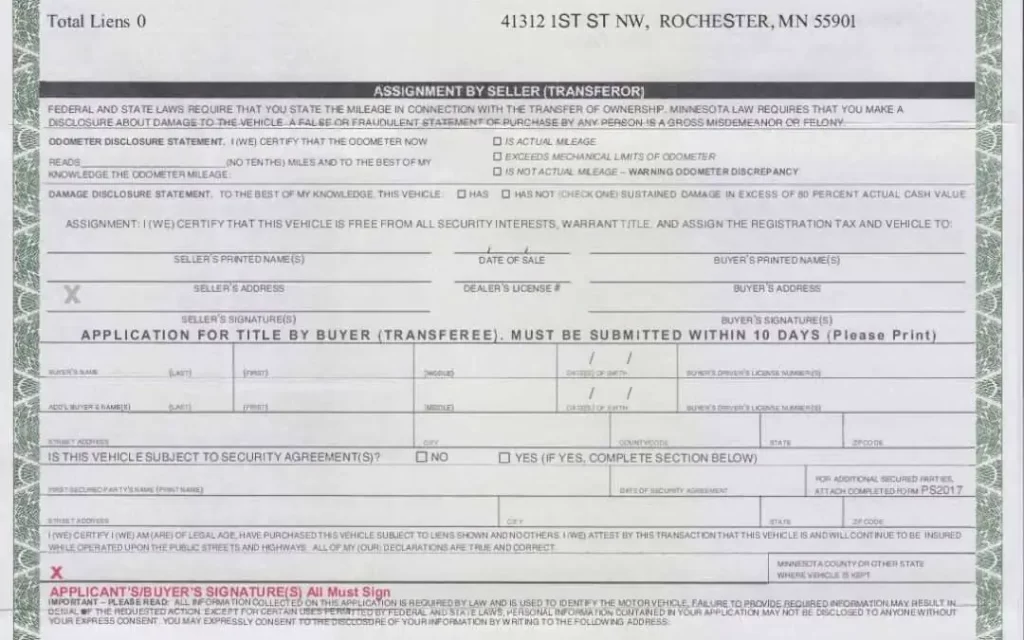
On the back of the title document, there will be a section for the seller to sign and print their name, as well as sections for:
Buyer’s name and address
Date of sale
Vehicle mileage
Purchase price
Be sure to fill out every required field clearly and legibly. Do not leave any sections blank.
3. Bill of Sale Creation
A Bill of Sale is a document that records the transaction between the buyer and seller. It typically includes:
Several states now offer electronic title transfers, allowing parts of the process to be completed online. These systems:
Speed up processing times
Reduce fraud
Eliminate paperwork errors
Platforms like Carvana, Vroom, and local e-Title systems are making digital transfers more common. Always confirm your state’s eligibility for online transfer.
Conclusion: Handle Title Transfers with Precision
Whether you’re buying or selling, a proper title transfer is a legal necessity that protects both parties. It ensures that the buyer can register and insure the vehicle, and that the vendor is no longer legally responsible.
By following this complete guide—from gathering documents to DMV submission—you ensure that the title transfer is legal, fast, and stress-free.
Branded Titles: How to Understand and Manage Online
In the modern marketplace, branding is everything. It’s not just about a logo or a color scheme; it’s about creating a consistent and compelling brand identity that resonates with your target audience. And this applies not only to products and services but also to seemingly mundane things like vehicle titles. Understanding and managing branded titles is crucial for anyone involved in the automotive industry, whether you’re a dealer, buyer, or seller.
This comprehensive guide delves into the complexities of title branding, exploring everything from the basics of what a branded title is to the intricacies of title transfer processes across different states. We’ll cover title creation, title design, and title development while also focusing on how to manage title management and title selection. Ultimately, we aim to equip you with the knowledge and resources needed to navigate this often-confusing landscape with confidence.
The world of car titles can be complex, especially regarding branded titles. Understanding what these titles mean is essential for both buyers and sellers. Let’s dive in.
Buy branded title online
What is a Branded Title?
A branded title is a vehicle title that has been marked to indicate that the vehicle has sustained significant damage or has been declared a total loss by an insurance company. This designation is a permanent part of the vehicle’s history and is meant to protect consumers by informing them about the vehicle’s past. Understanding this is crucial for maintaining your brand reputation.
“A brand is no longer what we tell the consumer it is – it is what consumers tell each other it is.” – Scott Cook, co-founder of Intuit
Order branded title online
Types of Branded Titles
Several types of branded titles exist, each indicating a different type of damage or issue. Here are some of the most common:
Salvage Title
A salvage title indicates that the vehicle has been severely damaged, often in an accident or natural disaster, to the point where the cost of repairs exceeds a certain percentage of the vehicle’s pre-damage value, as determined by the insurance company or state regulations. Vehicles with salvage titles cannot be legally driven on public roads until they are repaired and inspected.
Rebuilt or Reconstructed Title
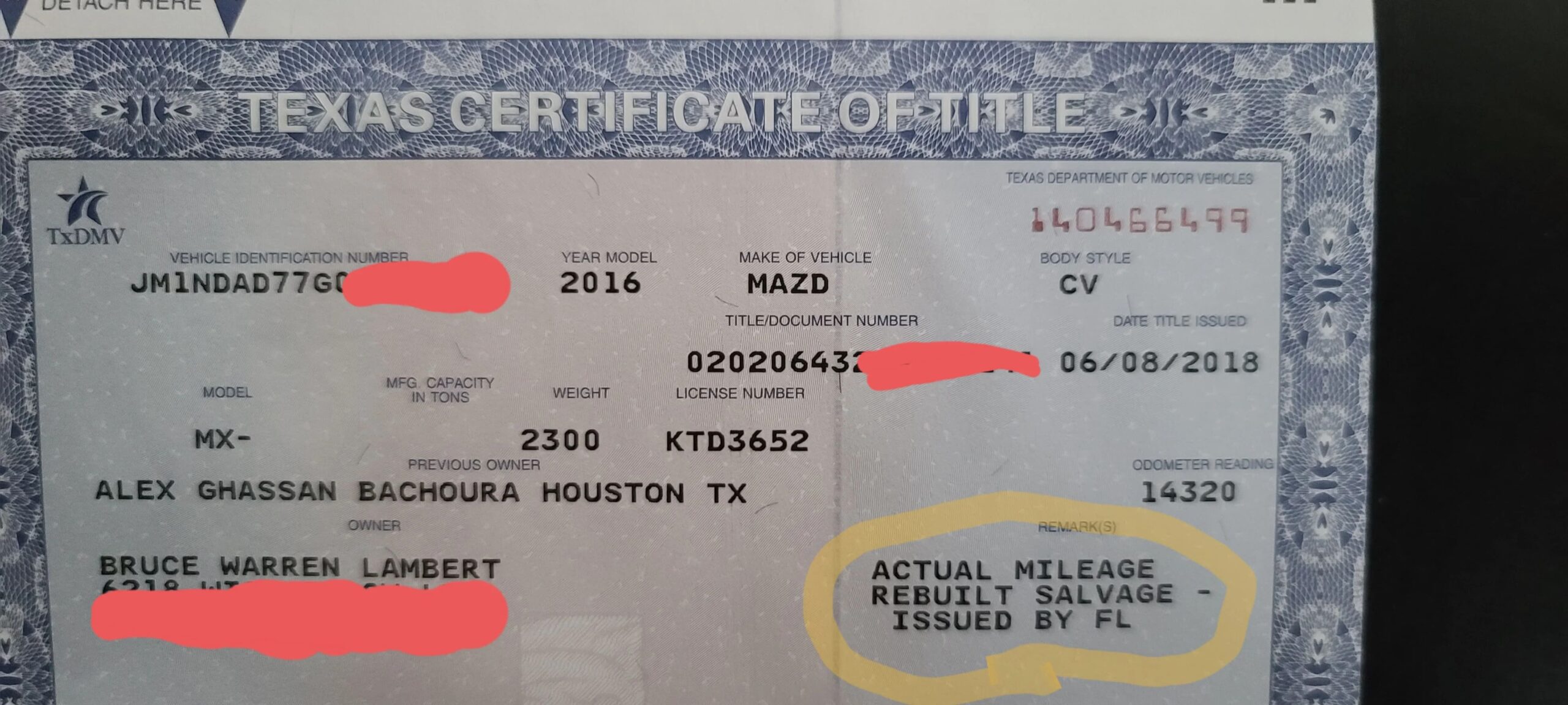
A rebuilt or reconstructed title is issued to a vehicle that previously had a salvage title and has been repaired and inspected according to state regulations. This unique title signifies that the vehicle has been brought back to a roadworthy condition. However, it’s important to note that a vehicle with a rebuilt title may still have lingering issues related to the original damage.
Lemon Law Title
A lemon law title is given to a vehicle that was repurchased by the manufacturer under state lemon laws. These laws protect consumers who purchase vehicles that have significant defects that cannot be repaired after a reasonable number of attempts.
Flood Damage Title
A flood damage title indicates that the vehicle has been submerged in water to the extent that it may have suffered significant damage to its mechanical and electrical systems. These vehicles may have long-term issues with corrosion, mold, and electrical malfunctions. The brand image of a car with such a title is usually severely impacted.
Title Transfer and Branded Titles
Transferring a branded title involves a process similar to transferring a clean title, but it’s essential to be aware of the specific requirements in your state. Transparency is critical when selling a vehicle with a branded title. Failure to disclose the vehicle’s history can lead to legal repercussions.
Title Transfer Process
The typical title transfer process involves:
Completing the title assignment section on the back of the title.
Providing the buyer with a bill of sale.
Notifying the state’s Department of Motor Vehicles (DMV) of the sale.
The buyer then applies for a new title in their name.
Title Transfer in Different States
Title transfer requirements vary by state. Some states require inspections for vehicles with rebuilt titles, while others may have specific disclosure requirements for flood damage titles. Understanding these nuances is critical for a smooth transaction.
Dealing with Lost Titles
Losing a vehicle title can be a stressful situation. However, it’s usually possible to obtain a duplicate title from your state’s DMV. The process typically involves completing an application, providing proof of ownership (such as registration or insurance documents), and paying a fee.
Buying a Car Without a Title
Buying a car without a title is generally not recommended. Without a title, you cannot legally register the vehicle or prove ownership. This can lead to significant problems down the road, including potential legal issues and difficulty selling the vehicle.
Understanding Title Numbers and VIN Checks
Title Number for Car
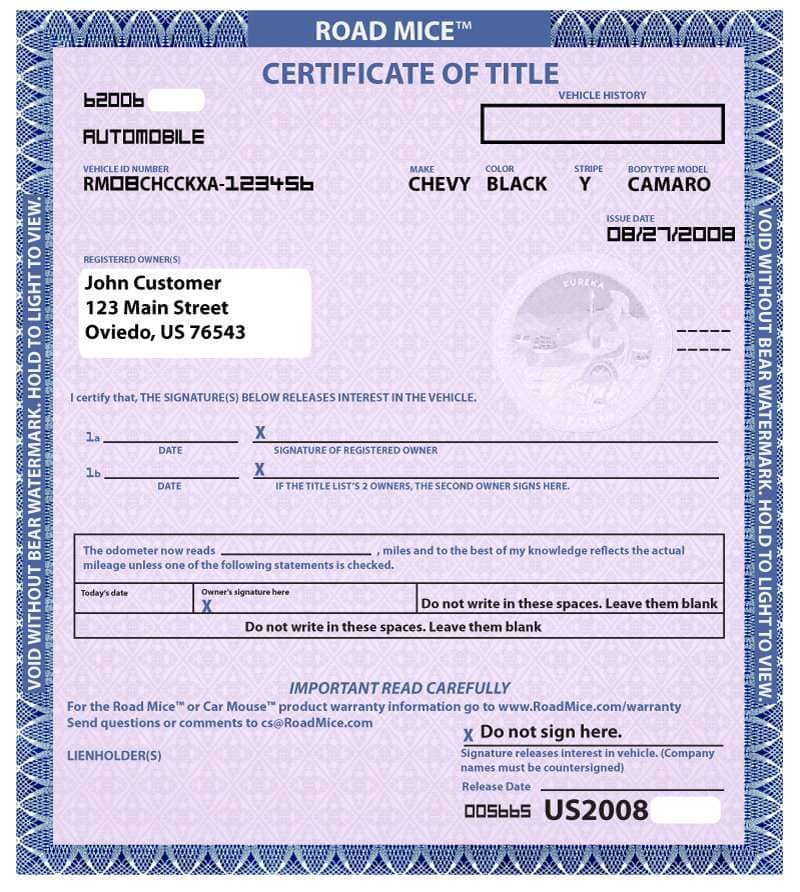
The title number is a unique identifier assigned to your vehicle’s title. It’s typically located on the front of the title document.
VIN Check
A VIN (Vehicle Identification Number) check can provide valuable information about a vehicle’s history, including whether it has a branded title. This check can reveal information about accidents, flood damage, and other significant events. This is crucial for upholding brand consistency and trust.
Title Lien Search
A title lien search is a process used to determine if there are any outstanding liens on a vehicle. A lien is a legal claim against the vehicle, typically by a lender who has financed the purchase. Before buying a used car, it’s crucial to conduct a title lien search to ensure that you’re not purchasing a vehicle with outstanding debt.
Electronic Titles
Many states are now offering electronic titles, which are stored electronically rather than on paper. This can simplify the title transfer process and reduce the risk of lost or damaged titles.
Electronic Title Florida
Florida is one of the states that offers electronic titles. If you have an electronic title in Florida, you can easily transfer it online through the state’s DMV website.
Registering a Vehicle
Registering a vehicle involves providing proof of ownership (the title), proof of insurance, and paying registration fees to your state’s DMV.
Register a Car in Montana
Montana is a popular state for registering vehicles due to its low registration fees and lack of vehicle inspections. However, you must meet certain residency requirements to register a vehicle in Montana.
Register a Car in California
Registering a car in California requires a smog check, proof of insurance, and payment of registration fees. California also has strict emissions standards.
Title Searches by State
Each state has its process for conducting title searches. Some states offer online title search tools, while others require you to visit a DMV office in person. Knowing where to go for a title search is essential to brand marketing.
Title Services and Agencies
Title Services Near Me
Several title services and agencies can assist with title transfers, title searches, and other title-related matters. These services can be particularly helpful if you’re unfamiliar with the title transfer process in your state.
Title Office
A title office is a government agency responsible for issuing and maintaining vehicle titles. This is where you’ll go to conduct certain title searches or get a replacement.
Handling Title Transfers for Specific Situations
Selling a Car with No Title
Selling a car with no title can be challenging, but it’s not always impossible. You may need to obtain a duplicate title or go through a court process to establish ownership.
Transferring Car Titles in Different States
Florida Title Transfer
In Florida, title transfers must be completed within 30 days of the sale. Both the buyer and seller must complete specific sections on the title.
California Title Transfer
California requires a smog check for most title transfers. The buyer must also submit a completed application for title transfer to the DMV.
Texas Title Transfer
Texas title transfers require the buyer to submit an application for a certificate of title and pay all applicable fees and taxes.
Understanding Title Liens
Lien on Car
A lien on the car means that a lender or other party has a legal claim against the vehicle. This claim must be satisfied before the title can be transferred to a new owner.
Title Lien Search
A title lien search is essential before buying a used car to ensure that there are no outstanding liens on the vehicle.
Duplicate Titles and Replacements
Obtaining a Duplicate Title
Obtaining a duplicate title typically involves completing an application, providing proof of ownership, and paying a fee to your state’s DMV.
Duplicate Title California
In California, you can apply for a duplicate title online, by mail, or in person at a DMV office.
Registering Vehicles in Various States
Register a Car in Montana
Registering a car in Montana can be advantageous due to lower fees, but you must meet residency requirements.
Register a Car in California
Registering a car in California requires compliance with state emissions standards and documentation.
Title Searches and Vehicle History Reports
Vehicle Title Search
A vehicle title search is a comprehensive check to understand the history and status of a vehicle’s title. This process is vital for buyers and sellers to ensure transparency and legality in vehicle transactions.
Why Conduct a Vehicle Title Search?
Performing a vehicle title search offers several critical benefits:
Verification of Ownership
A title search confirms the rightful owner of the vehicle, preventing potential disputes or fraudulent sales. This aspect is crucial in reinforcing brand loyalty by ensuring honest transactions.
Uncovering Accident History
The search may reveal if the vehicle has been involved in past accidents, providing insights into its condition and potential issues.
Identifying Title Status
The search determines if the title is clean, salvaged, rebuilt, or has any other branding that could affect its value and legality.
Detecting Existing Liens
A title search identifies any outstanding liens on the vehicle, ensuring that the buyer is not responsible for previous debts.
Cheap branded title online
How to Conduct a Vehicle Title Search
Several methods can be used to conduct a vehicle title search:
Online Title Search Services
Numerous online services offer title search capabilities for a fee. These services typically provide quick access to vehicle history data.
Third-Party Vehicle History Reports
Companies like Carfax and AutoCheck offer comprehensive vehicle history reports that include title information.
Requesting a Title Search from the DMV
Most state DMVs allow individuals to request a title search for a vehicle, either online or in person.
Using a VIN Decoder
A VIN decoder can provide basic information about a vehicle, including its year, make, model, and factory specifications.
Important Information Revealed by a Vehicle Title Search
A vehicle title search can reveal critical information about a vehicle’s history and status:
Previous Accidents
Information about past accidents, including severity and location.
Title Status
Indicates if the title is clean, salvaged, rebuilt, flood-damaged, or has any other branding.
Existing Liens
Details any outstanding liens or debts associated with the vehicle.
Odometer Readings
Historical odometer readings can help identify potential odometer fraud.
Recall Information
Information about any safety recalls associated with the vehicle.
Resources for Conducting a Vehicle Title Search
State DMV Websites
Many state DMV websites offer online tools or information on how to conduct a title search.
Third-Party Providers
Companies like Carfax and AutoCheck provide comprehensive vehicle history reports, including title information.
Vehicle Identification Number (VIN) Decoders
VIN decoders can provide basic information about a vehicle and help verify its accuracy.
Title Check Texas
Performing a title check in Texas is essential for anyone buying or selling a vehicle. This check can help ensure a smooth and legal transaction by revealing the vehicle’s history and title status.
Why Conduct a Title Check in Texas?
There are several critical reasons to conduct a title check in Texas:
Ensuring Clear Ownership
A title check verifies the legal owner of the vehicle, preventing disputes and fraudulent transactions.
Identifying Liens
The check reveals if there are any outstanding liens on the vehicle, which must be resolved before the title can be transferred.
Checking Title Status
The title check confirms whether the title is clean, salvaged, rebuilt, or has any other branding.
Avoiding Fraud
A thorough title check can help uncover potential fraud, such as title washing or odometer tampering.
Steps to Perform a Title Check in Texas
Here are the steps to perform a title check in Texas:
Gather Vehicle Information
Collect the Vehicle Identification Number (VIN) and any other pertinent details about the vehicle.
Use the Texas DMV’s Online Tools
Utilize the Texas Department of Motor Vehicles (DMV) website to access available online resources.
Review the Title Report
Once you receive the title report, carefully review all the information provided.
Consult Additional Resources
Cross-reference the information with other available resources, such as third-party vehicle history reports, to get a complete picture.
Resources for Conducting a Title Check in Texas
Texas DMV Online Services
The Texas DMV provides some online services for verifying information about a vehicle.
Third-Party Vehicle History Reports
Companies like Carfax and AutoCheck provide comprehensive vehicle history reports, including title information.
Local DMV Offices
Visiting a local DMV office can provide access to additional information and resources for conducting a title check.
VIN Decoders
VIN decoders can offer basic information about a vehicle based on its VIN.
Understanding Title Issues
Clean Title
A clean title indicates that the vehicle has not been declared a total loss or had any significant damage reported.
Salvage Title
A salvage title indicates that the vehicle has been significantly damaged and is considered a total loss by an insurance company.
Rebuilt Title
A rebuilt title is issued to a vehicle that was previously salvaged and has been repaired and inspected to be roadworthy again.
Lien Issues
Lien issues arise when there are outstanding debts or claims against the vehicle, which must be resolved before the title can be transferred.
Get branded title online
Special Titles and Ownership Certificates
Certificate of Title for a Vehicle
A certificate of title is a legal document that proves ownership of a vehicle. It includes important information like the vehicle’s VIN, make, model, and the owner’s name and address. This document is essential for title branding as it serves as the foundation for all future transactions and records.
Rebuilt Salvage Title
A rebuilt salvage title indicates that a vehicle was previously declared a total loss but has been repaired and inspected to be roadworthy again. This type of title requires additional scrutiny and is relevant to a comprehensive brand strategy.
Utilizing Title Services
Title Services Near Me
Title services near me can assist with a wide range of title-related tasks, including title transfers, title searches, and obtaining duplicate titles, ensuring your brand strategy is well-supported.
Auto Title Services Near Me
Auto title services near me specialize in handling title-related tasks for vehicles, making the process easier and more efficient. These services are valuable for title management and maintaining brand communication standards.
Understanding and managing branded titles is crucial for anyone involved in the automotive industry. By educating yourself about the different types of titles, the title transfer process, and the resources available to you, you can make informed decisions and protect yourself from potential risks. Effective brand messaging depends on this knowledge. Remember to always conduct thorough research and seek professional advice when dealing with branded titles. Your efforts will certainly improve brand recognition.
FAQs
Q: What is the difference between a salvage title and a rebuilt title?
A: A salvage title indicates that a vehicle has been severely damaged and is considered a total loss. A rebuilt title is issued to a vehicle that previously had a salvage title but has been repaired and inspected to be roadworthy again.
Q: Can I insure a car with a salvage title?
A: It can be challenging to insure a car with a salvage title, as many insurance companies are hesitant to cover vehicles that have been severely damaged. However, some insurers may offer limited coverage after the vehicle has been repaired and inspected.
Q: How can I find out if a car has a branded title?
A: You can typically find out if a car has a branded title by conducting a title search through your state’s DMV or by obtaining a vehicle history report from a reputable provider like Carfax or AutoCheck.
Q: Is it safe to buy a car with a rebuilt title?
A: Buying a car with a rebuilt title can be risky, as there may be underlying issues related to the original damage. However, if the vehicle has been properly repaired and inspected, it may be a viable option. It’s essential to have the vehicle thoroughly inspected by a qualified mechanic before making a purchase.
Q: How does a branded title affect the value of a vehicle?
A: A branded title typically significantly reduces the value of a vehicle. The extent of the reduction depends on the type of branding and the extent of the damage. Vehicles with salvage titles are generally worth much less than vehicles with clean titles. This underscores the importance of brand differentiation.
Best Place to Buy Fake ID, Driver's License and Other Documents