
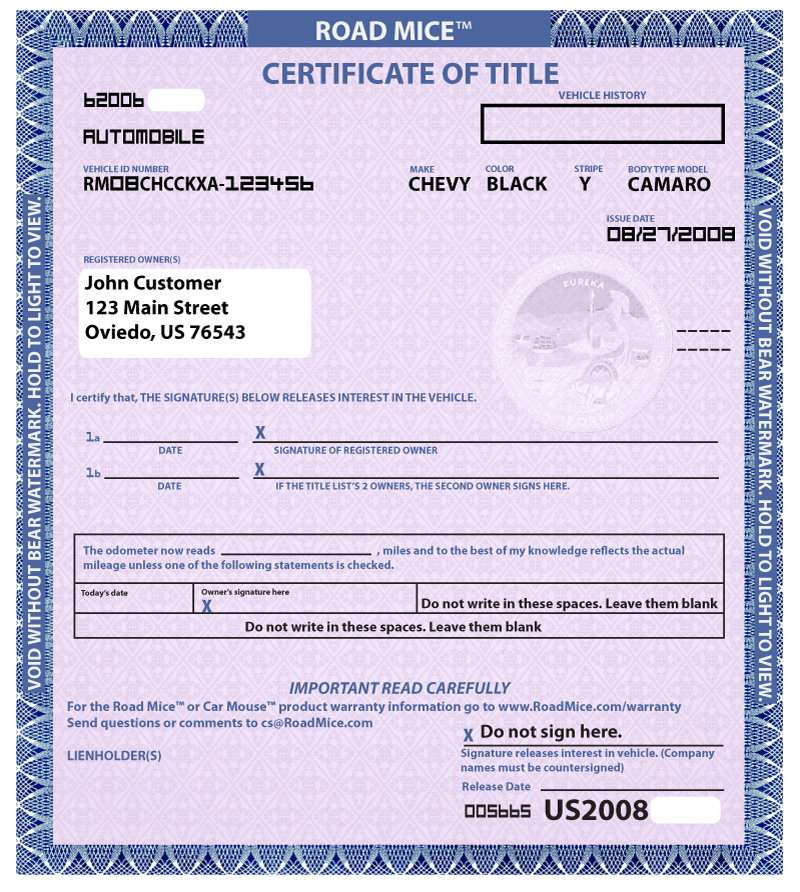

How to Request a Car Title Online – Step-by-Step Guide
How to request a car title online. A car title is an essential document proving ownership of a vehicle. Many states allow you to request a new, duplicate, or transferred title online through their official DMV websites. Follow this step-by-step guide to ensure a smooth process.

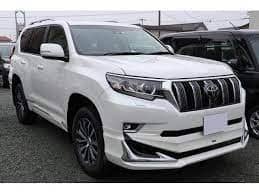
What is a Car Title Request?
A car title request refers to the process of applying for or obtaining the official document that proves ownership of a vehicle. The car title, also known as a certificate of title, is a legal document issued by your state’s Department of Motor Vehicles (DMV) or equivalent agency. It contains important details about the vehicle and its owner, including:
- Vehicle Information: Make, model, year, and Vehicle Identification Number (VIN).
- Owner Information: Name(s) and address of the registered owner(s).
- Lienholder Information: If there is an outstanding loan on the vehicle, the lienholder (e.g., bank or financing company) will be listed.
The car title serves as proof that you legally own the vehicle. Without it, you cannot sell, transfer, or register the vehicle in most cases.
Why Would You Need to Request a Car Title?
There are several scenarios where you might need to request a car title:
- New Vehicle Purchase :
When you buy a new or used car, you’ll need to apply for a title in your name to officially take ownership. - Lost or Stolen Title :
If your original title has been misplaced, damaged, or stolen, you’ll need to request a duplicate title. - Transfer of Ownership :
When selling or gifting a vehicle, the title must be transferred to the new owner. Both parties may need to complete forms or request updated titles. - Name or Address Change :
If your name or address changes, you’ll need to update the title to reflect this information. - Out-of-State Move :
If you move to a new state, you may need to surrender your old title and request a new one from your new state’s DMV. - Removing a Lien :
If you’ve paid off a car loan, you may need to request a “clear title” that shows no outstanding liens.
Types of Car Title Requests
Depending on your situation, there are different types of car title requests you might make:
- New Title Application :
For newly purchased vehicles, whether from a dealership or a private seller. - Duplicate Title :
To replace a lost, stolen, or damaged title. - Title Transfer :
When transferring ownership of a vehicle from one person to another. - Updated Title :
To correct errors or update information, such as a name change or lien release.
How Do You Know If You Need a Car Title Request?
Here are some signs that you may need to request a car title:
- You just purchased a vehicle but haven’t received the title.
- You’re planning to sell your car, but can’t find the title.
- Your title has outdated or incorrect information.
- You recently paid off a car loan and need the lien removed from the title.
- You moved to a new state and need to re-title your vehicle.
Key Benefits of Requesting a Car Title Online
- Convenience :
You can complete the process from home without visiting a DMV office. - Speed :
Online requests are often processed faster than in-person or mail-in applications. - Transparency :
Many states provide real-time updates so you can track the status of your application. - Cost Savings :
While fees vary, online requests typically cost the same or less than other methods.
Common Misconceptions About Car Titles
- “I Don’t Need a Title If I Have Registration.”
The registration allows you to drive the vehicle legally, but the title is the actual proof of ownership. Both are necessary for different purposes. - “I Can Drive Without a Title.”
While you can drive with a valid registration, you cannot sell or transfer the vehicle without a title. - “Titles Are Only for New Cars.”
Every vehicle, whether new or used, requires a title to establish ownership.
Legal Importance of a Car Title
The car title is a crucial legal document because:
- It protects both buyers and sellers during vehicle transactions.
- It prevents fraud by verifying ownership.
- It ensures proper registration and taxation of vehicles.
Driving or selling a vehicle without a valid title can lead to fines, legal issues, or even criminal charges in some cases.
Requesting a car title is an essential step in owning and maintaining a vehicle. Whether you’re applying for a new title, replacing a lost one, or transferring ownership, understanding the process and requirements can save you time and hassle. Always use official government websites to avoid scams, and keep your title in a safe place once you receive it.
If you’re unsure about the specific requirements in your state, visit your local DMV’s website or contact them directly for guidance.

Why You Might Need a New Car Title
- Lost or Stolen Title – You’ll need a duplicate if your original title is missing.
- Transferring Ownership – Selling or gifting your car requires a title transfer.
- Correcting Errors – Fixing mistakes on a car title may require a replacement.
How to request a car title online: Step-by-Step Guide
Step 1: Determine Your State’s DMV Process
Each state has unique rules for requesting a car title. Visit your state’s official DMV website to confirm if they offer an online application process.
For example:
- California – Use the California DMV’s online portal.
- Texas – Visit the Texas Department of Motor Vehicles website.
✅ Important: Always ensure you are on an official government website to avoid scams.
Step 2: Gather Required Documents
Before starting your online application, have the following documents ready:
✅ Proof of Ownership – A bill of sale, previous title, or lien release (if applicable).
✅ Vehicle Identification Number (VIN) – Located on your car’s dashboard or registration documents.
✅ Identification – A valid driver’s license or state ID.
✅ Payment Information – Most states charge a fee ($10–$50), payable by credit/debit card or electronic check.
Step 3: Log In to Your DMV Account
- Many states require you to create an account on their DMV website.
- If you already have an account, log in with your credentials.
Step 4: Complete the Application Form
- Navigate to the vehicle titles or title services section.
- Select the appropriate type of title request:
- New Title – For recently purchased vehicles.
- Duplicate Title – If the original is lost, stolen, or damaged.
- Transfer of Title – If ownership is being transferred.
- Enter accurate details such as:
- Vehicle make, model, year, and VIN.
- Your details (name, address, etc.).
- Additional documentation (if required by your state).
Step 5: Pay the Fee and Submit the Application
- Fees vary by state but typically range from $10 to $50.
- Payment is usually made through a credit/debit card or electronic check.
- Double-check all information before submitting the request.
- After submission, you’ll receive a confirmation email with a tracking number to monitor the status.
Step 6: Wait for Processing
- Processing times depend on your state but generally take 7–14 business days.
- Some states offer expedited processing for an additional fee.
Step 7: Receive Your Title
- Your new or duplicate car title will be mailed to the address on file.
- Ensure your mailing address is up-to-date with the DMV to avoid delays.
Tips for a Smooth Process
✔ Check Eligibility – Some states require in-person visits for specific cases (e.g., liens or legal disputes).
✔ Avoid Third-Party Websites – Use only official DMV websites to prevent scams or extra fees.
✔ Keep Records – Save copies of all submitted forms and payment receipts for future reference.


Additional Tips for Requesting a Car Title Online
1. Verify Your State’s Online Title Services
Not all states offer online title requests. Some may require an in-person visit for certain cases, such as vehicles with outstanding liens or missing ownership documents. Check with your state’s official DMV website to confirm available services.
2. Understanding Title Types
Before applying, ensure you are selecting the correct title type:
- Original Title – For newly purchased vehicles.
- Duplicate Title – If the original is lost, stolen, or damaged.
- Rebuilt Title – For vehicles that were previously salvaged but repaired.
- Lien-Free Title – If the lien on your vehicle has been fully paid off.
3. Common Reasons for Delays
- Incorrect Information – Ensure the VIN, personal details, and ownership documents are accurate.
- Unpaid Fees – Some states may require additional processing fees that must be paid before issuing the title.
- Outstanding Loans or Liens – If there is an active loan or lien on the vehicle, you may need a lien release from the lender before obtaining a new title.
State-Specific Car Title Application Variations
California
- Can apply online through the California DMV portal.
- Standard processing time: 15–30 business days (expedited service available).
- Fees: $23 for a duplicate title.
Texas
- Must apply through the Texas Department of Motor Vehicles (TxDMV).
- Processing time: 7–10 business days.
- Fees: $33 for a title transfer, $2–$15 for a duplicate title.
Florida
- Allows online applications via the Florida Highway Safety and Motor Vehicles (FLHSMV) website.
- Processing time: 7–14 business days.
- Duplicate title fee: $75.25.
Note: Always check your state’s DMV website, as processing times and fees may change.
Common Mistakes to Avoid
🚫 Falling for Third-Party Scams – Always use your official state DMV website to avoid fraudulent services.
🚫 Providing Incomplete Documents – Ensure you have all necessary proof of ownership, VIN, and identification before applying.
🚫 Incorrect Mailing Address – If your DMV has an outdated address on file, your title may get lost.
Legal Considerations When Requesting a Car Title
When applying for a car title online, legal regulations vary by state, and there are specific rules to follow. Here are a few important legal aspects to keep in mind:
1. Fraudulent Information Can Lead to Penalties
🚨 Providing false information (e.g., fake ownership proof or incorrect VIN) can lead to legal consequences, including:
- Rejection of the application
- Fines or penalties
- Criminal charges (in cases of intentional fraud)
✅ Always ensure all details you submit are accurate and verifiable.
2. Handling a Title With an Active Lien
- If your vehicle has an outstanding loan, the lender holds the title until the loan is fully paid.
- You cannot request a new title unless the lienholder releases the lien.
- To remove a lien, request a lien release document from your lender and submit it along with your title request.
3. Special Rules for Classic and Custom Vehicles
- If you own a classic car or custom-built vehicle, your state might have different title requirements.
- Some states require additional inspections or paperwork before issuing a title.
✅ Tip: Check your state’s DMV for specific rules regarding classic, antique, or modified vehicles.
Emergency Situations – What to Do?
1. I Lost My Car Title and Need One Urgently
If you need a replacement title quickly, consider these options:
🚀 Expedited processing – Some DMVs offer rush services (for an additional fee).
🏢 In-person pickup – If allowed, visit the DMV office for same-day processing.
✅ Check if your state offers overnight or expedited title services.
2. I Bought a Car Without a Title – What Now?
🚨 If you purchased a vehicle without a title, follow these steps:
- Contact the seller – Ask them to provide the title.
- Check the vehicle history – Run a VIN check to ensure it’s not stolen.
- Apply for a bonded title – Some states allow bonded titles if proof of ownership is unavailable.
⚠ Warning: Never buy a vehicle without a title unless you fully understand your state’s legal process for obtaining one.
Preventing Title Fraud – How to Stay Safe
1. Watch Out for Fake Websites
🚨 Scammers create fake DMV websites to trick people into paying fraudulent fees.
✅ Always ensure you are on the official DMV website (URLs typically end in .gov).
2. Verify the Title Before Buying a Used Car
Before purchasing a used vehicle, check:
- Title authenticity – Ensure the title is not altered or forged.
- VIN check – Use tools like Carfax or AutoCheck to verify history.
- Odometer fraud – Make sure mileage is consistent with records.
3. Avoid Paying Extra Fees to Third Parties
🚨 Some companies claim to process car titles faster for an extra fee.
✅ These services are often unnecessary—always go through the DMV directly.
What to Do After Receiving Your Car Title?
Once your title arrives, what’s next?
1. Store It in a Safe Place
Your car title is an important legal document—keep it safe!
📂 Store it in a fireproof lockbox or safe deposit box.
❌ Avoid keeping it in your car, as it could be stolen.
2. Check for Errors
📝 Verify all details on your title, including:
- Correct owner’s name and address
- Accurate VIN
- Proper title status (clear, salvage, rebuilt, etc.)
🚨 If you find mistakes, contact the DMV immediately for corrections.
3. Update Your Title If You Move
If you relocate to another state, you may need to:
- Transfer your title to the new state’s DMV.
- Update your vehicle registration.
Final Checklist – Requesting a Car Title Online ✅
✔ Visit the official DMV website to start your application.
✔ Gather required documents (ownership proof, VIN, ID, payment info).
✔ Fill out the online application form accurately.
✔ Pay the applicable fees and submit the request.
✔ Track your application status and wait for processing.
✔ Check for errors when your title arrives and store it safely.
By following this guide, you can ensure a smooth, hassle-free process when requesting a car title online. 🚗💨
Need More Help?
Would you like a state-specific guide, assistance with salvage or branded titles, or help with title transfers? Let me know how I can tailor this information to your needs! 🚘
(FAQs)
Q: Can I track my car title request online?
A: Yes, most states provide a tracking number after you submit your application. Use it to monitor your title’s status on the DMV website.
Q: What if I move before my title arrives?
A: Update your mailing address with the DMV before applying to ensure your title is sent to the correct location.
Q: Can I transfer a title online if I buy a car from another person?
A: Some states allow electronic title transfers, while others require the buyer and seller to visit a local DMV office. Check with your state’s DMV for details.
Q: Is an electronic car title the same as a paper title?
A: Some states issue electronic titles (e-titles) instead of physical paper titles. These can be accessed digitally but may require a paper copy for selling or transferring ownership.
Q: How long does it take to receive a car title?
A: It typically takes 7–14 business days, though some states offer expedited services.
Q: Can I request a car title if there’s a lien on my vehicle?
A: You may need to settle the lien first or provide a lien release document. Check with your state’s DMV.
Q: What if I need a title for a vehicle purchased out of state?
A: You’ll likely need to apply for an out-of-state title transfer. Contact your DMV for state-specific instructions.
Final Thoughts
Applying for a car title online is a quick and convenient process, but it’s crucial to:
✔ Use only the official DMV website for your state.
✔ Double-check all submitted information to avoid delays.
✔ Keep copies of receipts and confirmation emails for reference.
By following these steps, you can easily get your car title processed without any issues.
Would you like a state-specific version of this guide or more details on special cases like salvage titles or liens? Let me know how I can refine this for you! 🚗💨